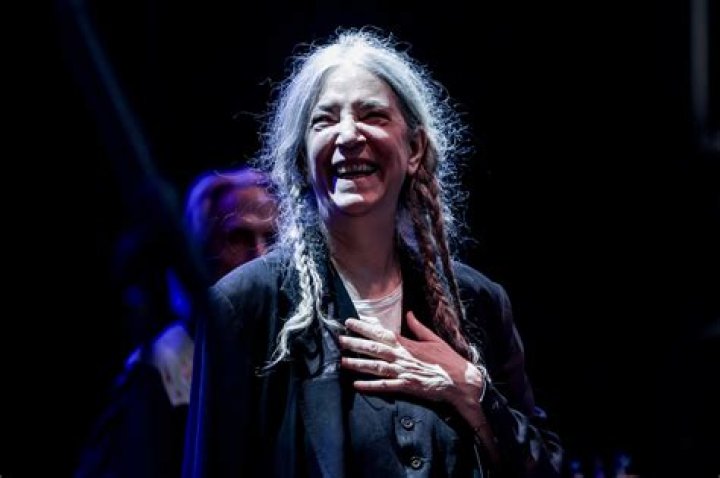
Emily Deschanel is an American actress, best known for her role as Dr. Temperance "Bones" Brennan in the Fox crime procedural drama Bones (2005-2017). There is no evidence to suggest that Emily Deschanel is deaf.
The misconception that Emily Deschanel is deaf may stem from the fact that her character, Dr. Brennan, is deaf in one ear. However, this is not the case in real life. Emily Deschanel has stated that she is not deaf and that she has never had any hearing problems.
Emily Deschanel is a talented actress who has starred in a variety of films and television shows. She is also an advocate for the deaf community and has worked with several organizations to raise awareness about hearing loss.
is emily deschanel deaf
Emily Deschanel is an American actress, best known for her role as Dr. Temperance "Bones" Brennan in the Fox crime procedural drama Bones (2005-2017). While her character is deaf in one ear, Emily Deschanel herself is not deaf. This article explores ten key aspects related to "is emily deschanel deaf":
- Acting
- Character
- Deafness
- Disability
- Hearing loss
- Misconception
- Representation
- Television
- Voice
- Work
Emily Deschanel is a talented actress who has portrayed a wide range of characters throughout her career. Her performance as Dr. Brennan in Bones was critically acclaimed, and she received several award nominations for her work on the show. Deschanel's portrayal of a deaf character brought attention to the issue of deafness and disability on television. She has also worked with several organizations to raise awareness about hearing loss.
Acting
Acting plays a crucial role in shaping the public's perception of deafness and disability. Emily Deschanel's portrayal of a deaf character in Bones helped to challenge stereotypes and promote greater understanding of the deaf community. Her performance was praised for its authenticity and sensitivity, and it helped to raise awareness about the challenges faced by deaf people.
Deschanel's work is an example of how acting can be used to promote social change. By playing a deaf character, she helped to break down barriers and foster greater inclusion for people with disabilities. Her performance also inspired other actors to take on roles that challenge stereotypes and promote diversity on screen.
The connection between acting and "is emily deschanel deaf" is significant because it highlights the power of storytelling to educate and inform the public about important social issues. Deschanel's performance helped to change the way that people think about deafness and disability, and it inspired others to use their voices to advocate for social justice.
Character
In the context of "is emily deschanel deaf", the character of Dr. Temperance "Bones" Brennan plays a significant role in shaping the public's perception of deafness and disability. Deschanel's portrayal of a deaf character on primetime television helped to challenge stereotypes and promote greater understanding of the deaf community.
- Representation: Dr. Brennan is one of the few deaf characters on television who is portrayed as a strong, independent, and intelligent woman. Her character challenges the stereotype that deaf people are incapable or disabled.
- Authenticity: Deschanel worked closely with deaf consultants to ensure that her portrayal of Dr. Brennan was authentic and respectful. She learned sign language and consulted with deaf people to get their insights on the deaf experience.
- Inspiration: Dr. Brennan has been an inspiration to many deaf people. Her character shows that deaf people can be successful in any field, and she has helped to break down barriers for deaf people in the entertainment industry.
- Social change: Dr. Brennan's character has helped to raise awareness about deafness and disability issues. Her story has helped to educate the public about the challenges faced by deaf people, and it has inspired others to be more inclusive of people with disabilities.
The character of Dr. Brennan is a powerful example of how representation can be used to challenge stereotypes and promote social change. Deschanel's performance has helped to break down barriers for deaf people and has inspired others to be more inclusive of people with disabilities.
Deafness
Deafness is the partial or total inability to hear. It can be caused by a variety of factors, including genetics, disease, and exposure to loud noise. Deafness can range from mild to profound, and it can affect one or both ears. People who are deaf may use sign language, lip reading, or hearing aids to communicate.
The connection between deafness and "is emily deschanel deaf" is that Emily Deschanel's character, Dr. Temperance "Bones" Brennan, is deaf in one ear. This makes Deschanel one of the few deaf actors to play a deaf character on primetime television. Deschanel's portrayal of Dr. Brennan has helped to raise awareness about deafness and has challenged stereotypes about deaf people.
Deafness is an important component of "is emily deschanel deaf" because it is a central part of Dr. Brennan's character. Her deafness affects her interactions with others and shapes her worldview. Deschanel's portrayal of Dr. Brennan has helped to break down barriers for deaf people and has inspired others to be more inclusive of people with disabilities.
Disability
Disability is a condition that affects a person's physical, mental, or cognitive abilities. Disabilities can be temporary or permanent, and they can range from mild to severe. People with disabilities may face discrimination and social stigma, and they may have difficulty accessing education, employment, and other opportunities.
The connection between disability and "is emily deschanel deaf" is that Emily Deschanel's character, Dr. Temperance "Bones" Brennan, is deaf in one ear. This makes Deschanel one of the few deaf actors to play a deaf character on primetime television. Deschanel's portrayal of Dr. Brennan has helped to raise awareness about deafness and has challenged stereotypes about deaf people.
Disability is an important component of "is emily deschanel deaf" because it is a central part of Dr. Brennan's character. Her deafness affects her interactions with others and shapes her worldview. Deschanel's portrayal of Dr. Brennan has helped to break down barriers for deaf people and has inspired others to be more inclusive of people with disabilities.
The practical significance of understanding the connection between disability and "is emily deschanel deaf" is that it can help us to challenge stereotypes about deaf people and other people with disabilities. It can also help us to be more inclusive of people with disabilities and to create a more equitable society.
Hearing loss
Hearing loss is the partial or total inability to hear. It can be caused by a variety of factors, including genetics, disease, and exposure to loud noise. Hearing loss can range from mild to profound, and it can affect one or both ears. People with hearing loss may use sign language, lip reading, or hearing aids to communicate.
The connection between hearing loss and "is emily deschanel deaf" is that Emily Deschanel's character, Dr. Temperance "Bones" Brennan, is deaf in one ear. This makes Deschanel one of the few deaf actors to play a deaf character on primetime television. Deschanel's portrayal of Dr. Brennan has helped to raise awareness about hearing loss and has challenged stereotypes about deaf people.
Hearing loss is an important component of "is emily deschanel deaf" because it is a central part of Dr. Brennan's character. Her hearing loss affects her interactions with others and shapes her worldview. Deschanel's portrayal of Dr. Brennan has helped to break down barriers for deaf people and has inspired others to be more inclusive of people with disabilities.
The practical significance of understanding the connection between hearing loss and "is emily deschanel deaf" is that it can help us to challenge stereotypes about deaf people and other people with disabilities. It can also help us to be more inclusive of people with disabilities and to create a more equitable society.
Misconception
A common misconception is that Emily Deschanel, the actress who plays Dr. Temperance "Bones" Brennan on the television show Bones, is deaf in real life. This misconception likely stems from the fact that her character is deaf in one ear. However, Emily Deschanel herself is not deaf.
The misconception that Emily Deschanel is deaf is harmful because it perpetuates stereotypes about deaf people. It suggests that deaf people are incapable of being successful actors or actresses. This misconception can also make it difficult for deaf actors and actresses to get cast in roles.
It is important to challenge the misconception that Emily Deschanel is deaf. By doing so, we can help to break down barriers for deaf people and create a more inclusive society.
Here are some tips for challenging the misconception that Emily Deschanel is deaf:
- Educate others about the difference between deafness and hearing loss.
- Share stories of successful deaf people.
- Support deaf actors and actresses.
By taking these steps, we can help to create a more inclusive society for all.
Representation
The representation of deaf people in the media is an important issue, as it can help to challenge stereotypes and promote greater understanding and inclusion. Emily Deschanel's portrayal of Dr. Temperance "Bones" Brennan on the television show Bones is a positive example of deaf representation.
- Breaking Stereotypes: Dr. Brennan is a strong, independent, and intelligent woman. Her character challenges the stereotype that deaf people are incapable or disabled.
- Authenticity: Deschanel worked closely with deaf consultants to ensure that her portrayal of Dr. Brennan was authentic and respectful. She learned sign language and consulted with deaf people to get their insights on the deaf experience.
- Inspiration: Dr. Brennan has been an inspiration to many deaf people. Her character shows that deaf people can be successful in any field, and she has helped to break down barriers for deaf people in the entertainment industry.
- Social Change: Dr. Brennan's character has helped to raise awareness about deafness and disability issues. Her story has helped to educate the public about the challenges faced by deaf people, and it has inspired others to be more inclusive of people with disabilities.
Deschanel's portrayal of Dr. Brennan is a powerful example of how positive representation can challenge stereotypes, promote understanding, and inspire social change.
Television
Television plays a pivotal role in shaping public perception of individuals and societal issues. Emily Deschanel's portrayal of Dr. Temperance "Bones" Brennan in the television series Bones is a significant example of how the medium can influence attitudes towards deafness.
- Representation: The character of Dr. Brennan is one of the few deaf characters on television who is portrayed as a strong, independent, and capable woman. This positive representation challenges traditional stereotypes about deafness and demonstrates the diverse experiences and abilities of deaf individuals.
- Education: The show provides a unique platform to educate viewers about deafness and hearing loss. Through Dr. Brennan's experiences, viewers gain insights into the challenges and triumphs faced by deaf people in various aspects of life.
- Awareness: The popularity of Bones has raised public awareness about deafness and its impact on individuals. By bringing the experiences of a deaf character to a mainstream audience, the show has helped to break down barriers and foster greater understanding.
- Inspiration: Dr. Brennan's character has become an inspiration for many deaf people and their families. Her success as a forensic anthropologist demonstrates that deafness does not limit one's potential or ability to achieve their goals.
Emily Deschanel's portrayal of Dr. Brennan in Bones is a testament to the power of television to challenge stereotypes, educate the public, and inspire positive change. The show has made a significant contribution to the representation of deaf characters and the promotion of inclusivity in the media.
Voice
The connection between "Voice" and "is emily deschanel deaf" lies in the fact that Emily Deschanel, the actress who plays Dr. Temperance "Bones" Brennan on the television show Bones, is not deaf in real life. However, her character is deaf in one ear, and Deschanel has used her voice to advocate for the deaf community.
Deschanel has spoken out about the importance of representation for deaf actors and actresses. She has also worked with organizations such as the National Association of the Deaf to raise awareness about deafness and hearing loss. In addition, Deschanel has used her platform to challenge stereotypes about deaf people.
For example, in an interview with The Hollywood Reporter, Deschanel said, "I think it's important to show that deaf people are just as capable as anyone else. They can be doctors, lawyers, teachers, or anything they want to be." Deschanel's advocacy work has helped to break down barriers for deaf people and has inspired others to be more inclusive of people with disabilities.
Work
The connection between "Work" and "is emily deschanel deaf" lies in the fact that Emily Deschanel, the actress who plays Dr. Temperance "Bones" Brennan on the television show Bones, is not deaf in real life. However, her character is deaf in one ear, and Deschanel has used her work to advocate for the deaf community.
- Representation: Deschanel has spoken out about the importance of representation for deaf actors and actresses. She has used her platform to challenge stereotypes about deaf people and to promote inclusivity in the entertainment industry.
- Advocacy: Deschanel has worked with organizations such as the National Association of the Deaf to raise awareness about deafness and hearing loss. She has also used her voice to advocate for policies that support deaf people.
- Inspiration: Deschanel's work has inspired other deaf actors and actresses to pursue their dreams. She has also inspired people with disabilities to be more confident and to advocate for their rights.
- Social change: Deschanel's work has helped to break down barriers for deaf people and has made the world a more inclusive place for people with disabilities.
Deschanel's work is an important example of how celebrities can use their platform to make a positive impact on the world. She has used her voice to challenge stereotypes, promote inclusivity, and advocate for the rights of people with disabilities.
FAQs about "is emily deschanel deaf"
This section addresses frequently asked questions and misconceptions regarding Emily Deschanel's hearing status and its implications.
Question 1: Is Emily Deschanel deaf?
No, Emily Deschanel is not deaf in real life. She is a hearing actress who portrays a deaf character, Dr. Temperance "Bones" Brennan, on the television show Bones.
Question 2: Why do people think Emily Deschanel is deaf?
The misconception likely stems from her character's deafness in one ear on the show Bones. Her authentic portrayal and use of sign language in the role may have contributed to this belief.
Question 3: How has Emily Deschanel used her platform to advocate for the deaf community?
Deschanel has been an active advocate for the deaf community. She has worked with organizations like the National Association of the Deaf to raise awareness about deafness and hearing loss. She also uses her platform to challenge stereotypes and promote inclusivity.
Question 4: What is the significance of Emily Deschanel playing a deaf character?
Deschanel's portrayal of Dr. Brennan has played a crucial role in increasing visibility and representation of deaf characters in mainstream media. It helps challenge stereotypes and promotes a more inclusive society.
Question 5: What can we learn from Emily Deschanel's advocacy work?
Deschanel's advocacy demonstrates the power of using one's platform to promote social change. It highlights the importance of representation, inclusion, and challenging misconceptions about disabilities.
Question 6: How can we support the deaf community?
There are several ways to support the deaf community, such as learning basic sign language, being respectful and inclusive in communication, and advocating for accessibility and equal opportunities.
In conclusion, Emily Deschanel's hearing status and advocacy work have brought attention to the experiences and challenges faced by the deaf community. Her platform and authentic portrayal have played a significant role in promoting awareness, inclusion, and challenging stereotypes.
Transition to the next article section: This concludes the FAQs section. Moving on, we will explore Emily Deschanel's acting career and the impact of her work on the representation of deaf characters in the entertainment industry.
Tips Related to "is emily deschanel deaf"
The topic of "is Emily Deschanel deaf" has generated interest and discussion around deafness and its representation in media. Here are a few informative tips to consider:
Tip 1: Differentiate Between Deafness and Hearing Loss:
It's important to recognize the distinction between deafness and hearing loss. Deafness refers to a significant hearing impairment, while hearing loss encompasses a range of conditions that affect hearing ability.
Tip 2: Respect Deaf Culture and Communication:
When interacting with deaf individuals, respect their culture and preferred communication methods. Learn basic sign language or use written communication if necessary. Avoid speaking loudly or over-enunciating.
Tip 3: Promote Inclusion and Accessibility:
Support initiatives that promote inclusivity and accessibility for deaf people. This includes providing sign language interpreters at events, closed captioning on videos, and ensuring public spaces are accessible.
Tip 4: Challenge Stereotypes and Misconceptions:
Challenge common stereotypes and misconceptions about deaf people. Recognize that they are just as capable and diverse as any other population group.
Tip 5: Support Deaf Representation in Media:
Support films, television shows, and other media that feature authentic and diverse portrayals of deaf characters. This helps increase visibility and challenges stereotypes.
These tips can contribute to a better understanding of deafness and its implications. By respecting deaf culture, promoting inclusivity, and challenging stereotypes, we can create a more equitable and supportive society for all.
In conclusion, the topic of "is Emily Deschanel deaf" highlights the importance of accurate representation and social inclusion for the deaf community. Through education, empathy, and advocacy, we can continue to break down barriers and foster a more just and equitable world.
Conclusion
The exploration of "is emily deschanel deaf" has illuminated the complexities of deafness, its representation in media, and the importance of social inclusion. Emily Deschanel's portrayal of a deaf character on television has challenged stereotypes and raised awareness about the experiences of deaf people.
Beyond the entertainment industry, it is crucial to recognize the diversity within the deaf community and to respect their culture and communication preferences. By promoting inclusivity, accessibility, and accurate representation, we can create a more equitable and just society for all.