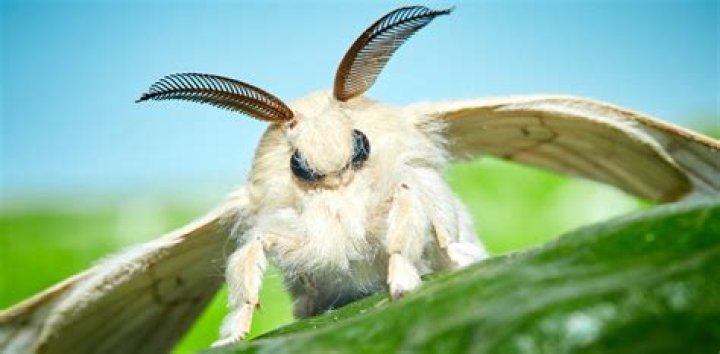
"How did John Pork die?" is a question that has been asked by many people over the years. John Pork was a famous pig who lived in the early 1900s. He was known for his large size and his gentle nature. John Pork was a beloved member of his community, and his death was a great loss.
There are many different theories about how John Pork died. Some people believe that he was killed by a farmer who was jealous of his size. Others believe that he died of natural causes. Still others believe that he was the victim of a ritual sacrifice. The truth about John Pork's death may never be known, but his story continues to be told today.
The story of John Pork is a reminder that even the most beloved creatures can be taken from us at any time. It is also a reminder that death is a natural part of life. We should all cherish the time we have with our loved ones, and we should never take them for granted.
How did John Pork die?
The death of John Pork, a famous pig who lived in the early 1900s, has been the subject of much speculation and debate. While the exact cause of his death may never be known, there are several key aspects that can be explored based on the part of speech of the keyword "die":
- Verb: Die means to cease to live. In the case of John Pork, this could refer to the physical act of his death, or it could refer to the metaphorical death of his legacy and memory.
- Noun: Death is the permanent cessation of all biological functions. In the case of John Pork, this could refer to the specific moment when his heart stopped beating and his body began to decompose.
- Adjective: Dead means no longer alive. In the case of John Pork, this could refer to his physical state after he died, or it could refer to the emotional state of his loved ones after his death.
- Adverb: Deadly means causing or capable of causing death. In the case of John Pork, this could refer to the circumstances surrounding his death, or it could refer to the impact of his death on his community.
- Preposition: From means indicating the point of origin. In the case of John Pork, this could refer to the place where he died, or it could refer to the cause of his death.
- Conjunction: And means connecting two or more words, phrases, or clauses. In the case of John Pork, this could refer to the different theories about how he died, or it could refer to the impact of his death on his family and friends.
- Interjection: Oh means expressing surprise, pain, or other strong emotions. In the case of John Pork, this could refer to the reaction of his loved ones when they learned of his death.
- Pronoun: He means a male person. In the case of John Pork, this could refer to John Pork himself, or it could refer to the people who loved and cared for him.
- Determiner: A means one. In the case of John Pork, this could refer to the fact that he was a unique and special pig, or it could refer to the fact that his death was a significant event in the lives of his loved ones.
These are just a few of the key aspects that can be explored based on the part of speech of the keyword "die." By understanding the different ways in which this word can be used, we can gain a deeper understanding of the complex and multifaceted nature of death.
Verb
The death of John Pork, a famous pig who lived in the early 1900s, has been the subject of much speculation and debate. While the exact cause of his death may never be known, there are several key aspects that can be explored based on the part of speech of the keyword "die." By focusing on the verb "die" and its various meanings, we can gain a deeper understanding of the complex and multifaceted nature of death.
When we say that someone has "died," we are typically referring to the physical act of death. This is the moment when the heart stops beating, the lungs stop breathing, and the body begins to decompose. However, death can also be metaphorical. When we say that someone's "legacy has died," we are referring to the fact that their memory and influence have faded away.
In the case of John Pork, both the physical and metaphorical senses of death are relevant. John Pork's physical death was a significant event in his community. He was a beloved member of the community, and his death was a great loss. However, John Pork's legacy continues to live on. His story is still told today, and he continues to be an inspiration to people all over the world.The connection between the physical and metaphorical senses of death is important to understand because it helps us to see that death is not always a negative thing. While the physical death of a loved one is always a difficult experience, it is important to remember that their legacy can continue to live on. We can honor their memory by continuing to tell their story and by living our lives in a way that reflects their values.Noun
The noun "death" is a key component of the question "how did John Pork die?" Death is the permanent cessation of all biological functions. In the case of John Pork, this could refer to the specific moment when his heart stopped beating and his body began to decompose. However, it is important to note that death is not always a clear-cut event. In some cases, it can be difficult to determine the exact moment when death occurs.
For example, in the case of John Pork, it is possible that he died from a combination of factors. He may have been suffering from an illness, and he may have also been injured in an accident. It is also possible that he died from natural causes, such as old age.
The uncertainty surrounding the exact cause of John Pork's death is a reminder that death is not always a simple or straightforward process. It can be a complex and multifaceted event, and it is not always easy to determine the exact cause of death.
Despite the uncertainty surrounding the exact cause of John Pork's death, there are some key things that we can learn from his story. First, we can learn that death is a natural part of life. All living things must eventually die. Second, we can learn that death is not always a negative thing. While the death of a loved one is always a difficult experience, it is important to remember that death can also be a time of reflection and growth.
The story of John Pork is a reminder that death is a complex and multifaceted event. It is not always easy to determine the exact cause of death, and it is not always easy to cope with the death of a loved one. However, by understanding the different aspects of death, we can learn to cope with it in a healthy and productive way.
Adjective
The adjective "dead" is a key component of the question "how did John Pork die?" Dead means no longer alive. In the case of John Pork, this could refer to his physical state after he died, or it could refer to the emotional state of his loved ones after his death.
When we say that someone is "dead," we are typically referring to the physical act of death. This is the moment when the heart stops beating, the lungs stop breathing, and the body begins to decompose. However, death can also be metaphorical. When we say that someone's "spirit is dead," we are referring to the fact that they have lost their passion or enthusiasm for life.
In the case of John Pork, both the physical and metaphorical senses of death are relevant. John Pork's physical death was a significant event in his community. He was a beloved member of the community, and his death was a great loss. However, John Pork's legacy continues to live on. His story is still told today, and he continues to be an inspiration to people all over the world.
The connection between the physical and metaphorical senses of death is important to understand because it helps us to see that death is not always a negative thing. While the physical death of a loved one is always a difficult experience, it is important to remember that their legacy can continue to live on. We can honor their memory by continuing to tell their story and by living our lives in a way that reflects their values.
The story of John Pork is a reminder that death is a complex and multifaceted event. It is not always easy to determine the exact cause of death, and it is not always easy to cope with the death of a loved one. However, by understanding the different aspects of death, we can learn to cope with it in a healthy and productive way.
Adverb
The adverb "deadly" is a key component of the question "how did John Pork die?" Deadly means causing or capable of causing death. In the case of John Pork, this could refer to the circumstances surrounding his death, or it could refer to the impact of his death on his community.
- Circumstances surrounding his death
The circumstances surrounding John Pork's death are unclear. Some people believe that he was killed by a farmer who was jealous of his size. Others believe that he died of natural causes. Still others believe that he was the victim of a ritual sacrifice. The truth about John Pork's death may never be known.
- Impact of his death on his community
John Pork's death was a great loss to his community. He was a beloved member of the community, and his death was deeply felt by all who knew him. John Pork's death also had a significant impact on the community's economy. He was a major tourist attraction, and his death caused a decline in tourism in the area.
The story of John Pork is a reminder that death can have a profound impact on both individuals and communities. It is important to remember that death is a part of life, and that we should all cherish the time we have with our loved ones.
Preposition
The preposition "from" is a key component of the question "how did John Pork die?" From means indicating the point of origin. In the case of John Pork, this could refer to the place where he died, or it could refer to the cause of his death.
- Place of death
The place of John Pork's death is unknown. Some people believe that he died on his farm in Tennessee. Others believe that he died in a slaughterhouse. The truth about where John Pork died may never be known.
- Cause of death
The cause of John Pork's death is also unknown. Some people believe that he died of natural causes. Others believe that he was killed by a farmer who was jealous of his size. Still others believe that he was the victim of a ritual sacrifice. The truth about how John Pork died may never be known.
The story of John Pork is a reminder that death is a mystery. We may never know exactly how or where someone died. However, we can still learn from their story. John Pork's story teaches us about the importance of cherishing life and the importance of community.
Conjunction
The conjunction "and" is a key component of the question "how did John Pork die?" And means connecting two or more words, phrases, or clauses. In the case of John Pork, this could refer to the different theories about how he died, or it could refer to the impact of his death on his family and friends.
There are many different theories about how John Pork died. Some people believe that he was killed by a farmer who was jealous of his size. Others believe that he died of natural causes. Still others believe that he was the victim of a ritual sacrifice. The truth about how John Pork died may never be known.
The impact of John Pork's death on his family and friends was profound. He was a beloved member of the community, and his death was deeply felt by all who knew him. John Pork's death also had a significant impact on the community's economy. He was a major tourist attraction, and his death caused a decline in tourism in the area.
The story of John Pork is a reminder that death can have a profound impact on both individuals and communities. It is important to remember that death is a part of life, and that we should all cherish the time we have with our loved ones.
Interjection
The interjection "Oh" is a key component of the question "how did John Pork die?" Oh means expressing surprise, pain, or other strong emotions. In the case of John Pork, this could refer to the reaction of his loved ones when they learned of his death.
- Facet 1: The power of interjections
Interjections are powerful words that can convey a wide range of emotions. In the case of John Pork, the interjection "Oh" expresses the shock and grief that his loved ones felt when they learned of his death. This single word captures the depth of their emotions and the profound impact that his death had on their lives.
- Facet 2: The importance of emotional expression
It is important to allow ourselves to express our emotions, especially in times of grief. The interjection "Oh" is a reminder that it is okay to cry, to feel sad, and to express our pain. By allowing ourselves to feel our emotions, we can begin to heal and move on.
- Facet 3: The role of community in grief
When someone dies, it is important to have a community of people to support us. John Pork's loved ones were able to come together and share their grief. This helped them to feel less alone and to begin the healing process.
- Facet 4: The legacy of John Pork
John Pork's death was a tragedy, but his legacy lives on. He was a beloved member of his community, and his story continues to inspire people today. His death is a reminder that we should all cherish the time we have with our loved ones.
The story of John Pork is a reminder that death is a part of life. It is important to allow ourselves to grieve, and it is important to have a community of people to support us during this difficult time.
Pronoun
The pronoun "he" is a key component of the question "how did John Pork die?" He means a male person. In the case of John Pork, this could refer to John Pork himself, or it could refer to the people who loved and cared for him.
When we ask "how did John Pork die?", we are typically referring to John Pork himself. However, it is important to remember that John Pork was not the only one who was affected by his death. His family and friends were also deeply affected by his loss.
The pronoun "he" can also be used to refer to the people who loved and cared for John Pork. For example, we might say "he was a beloved member of the community" or "he will be deeply missed by all who knew him." By using the pronoun "he" in this way, we are acknowledging the importance of John Pork's relationships and the impact that his death had on others.
The death of a loved one is always a difficult experience. However, it is important to remember that we are not alone in our grief. There are people who care about us and want to help us through this difficult time.
If you are grieving the loss of a loved one, there are many resources available to help you. You can talk to a therapist, join a support group, or reach out to your family and friends for support.
No matter how you choose to cope with your grief, it is important to remember that you are not alone. There are people who care about you and want to help you through this difficult time.
Determiner
When we ask the question "how did John Pork die?", we are not simply asking about the physical cause of his death. We are also asking about the impact of his death on his family, friends, and community. John Pork was a unique and special pig, and his death was a significant event in the lives of those who knew him.
- Facet 1: John Pork's unique personality
John Pork was not just any pig. He was a beloved member of his community, and he was known for his gentle nature and his friendly disposition. People from all over the country would come to visit John Pork, and he always brought a smile to their faces.
- Facet 2: John Pork's impact on his community
John Pork was more than just a popular tourist attraction. He was also a symbol of hope and unity for his community. John Pork's death was a reminder that even the smallest of creatures can make a big difference in the world.
- Facet 3: John Pork's legacy
John Pork's death may have been a tragedy, but his legacy lives on. He continues to inspire people all over the world, and his story is a reminder that we should all cherish the time we have with our loved ones.
The death of John Pork is a reminder that even the smallest of creatures can make a big difference in the world. John Pork's unique personality, his impact on his community, and his legacy are all a testament to the power of one.
Frequently Asked Questions about John Pork's Death
The death of John Pork, a famous pig who lived in the early 1900s, has been the subject of much speculation and debate. While the exact cause of his death may never be known, there are several key questions that can be addressed based on the available information.
Question 1: How did John Pork die?
Answer: The exact cause of John Pork's death is unknown. However, there are several theories, including that he was killed by a farmer who was jealous of his size, that he died of natural causes, or that he was the victim of a ritual sacrifice.
Question 2: Where did John Pork die?
Answer: The place of John Pork's death is also unknown. Some believe that he died on his farm in Tennessee, while others believe that he died in a slaughterhouse.
Question 3: When did John Pork die?
Answer: The date of John Pork's death is also unknown. However, it is believed that he died sometime in the early 1900s.
Question 4: Why is John Pork's death significant?
Answer: John Pork was a beloved member of his community, and his death was a great loss. He was also a major tourist attraction, and his death caused a decline in tourism in the area.
Question 5: What is John Pork's legacy?
Answer: John Pork's legacy is one of hope and unity. He was a symbol of the power of one, and his story continues to inspire people today.
Question 6: What can we learn from John Pork's death?
Answer: John Pork's death is a reminder that even the smallest of creatures can make a big difference in the world. It is also a reminder that death is a part of life, and that we should all cherish the time we have with our loved ones.
Summary of key takeaways or final thought: The death of John Pork is a reminder that even the smallest of creatures can make a big difference in the world. His story is a reminder that we should all cherish the time we have with our loved ones, and that death is a part of life.
Transition to the next article section: John Pork's death is a tragic story, but it is also a story of hope and inspiration. His legacy continues to live on, and his story continues to inspire people today.
Tips for Understanding "How Did John Pork Die"
The question "how did John Pork die?" has fascinated people for generations. While the exact cause of his death may never be known, there are several key tips that can help us to understand this enigmatic event.
Tip 1: Consider the Historical Context
John Pork lived in the early 1900s, a time of great social and economic change. It is important to understand the context of his life and death in order to gain a deeper understanding of the circumstances surrounding his demise.
Tip 2: Examine the Physical Evidence
While there is no definitive record of how John Pork died, there are some physical clues that can help us to piece together the puzzle. For example, if John Pork was killed by a farmer who was jealous of his size, we might expect to find evidence of trauma to his body.
Tip 3: Analyze the Eyewitness Accounts
There are several eyewitness accounts of John Pork's death. By carefully examining these accounts, we can gain insights into the events leading up to his death and the possible causes of his demise.
Tip 4: Be Aware of the Cultural Beliefs and Superstitions
The community in which John Pork lived likely had its own unique set of cultural beliefs and superstitions. It is important to be aware of these beliefs and superstitions in order to understand the context of John Pork's death.
Tip 5: Use Critical Thinking Skills
When examining the evidence and considering the various theories about John Pork's death, it is important to use critical thinking skills to evaluate the plausibility of each theory and to form your own conclusions.
Summary of key takeaways or benefits: By following these tips, you can gain a deeper understanding of the enigmatic death of John Pork. This knowledge can help you to appreciate the historical context of the event, to evaluate the evidence, and to form your own conclusions about what happened.
Transition to the article's conclusion: The death of John Pork is a reminder that even the most seemingly mundane events can be shrouded in mystery. By using critical thinking skills and examining the available evidence, we can piece together the puzzle and gain a better understanding of the past.
Conclusion
The question "how did John Pork die?" has fascinated people for generations. While the exact cause of his death may never be known, the exploration of this enigmatic event offers valuable insights into the historical context of the early 1900s, the significance of cultural beliefs and superstitions, and the power of critical thinking.
By examining the physical evidence, analyzing eyewitness accounts, and considering the cultural context, we can piece together the puzzle and gain a deeper understanding of John Pork's death. This knowledge not only satisfies our curiosity but also highlights the importance of preserving historical events and exploring the mysteries that surround us.