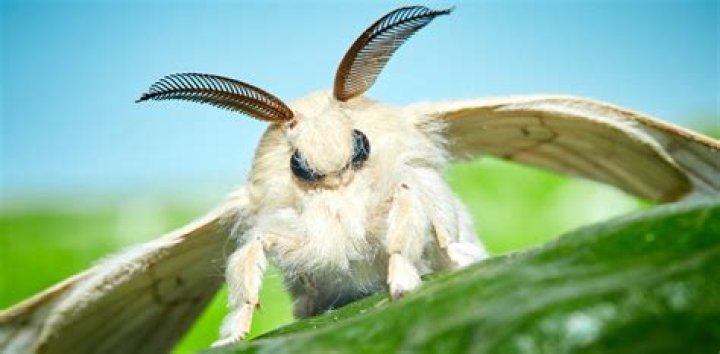
In Greek mythology, Thanatos is the personification of death. He is the son of Nyx, the goddess of night, and Erebus, the god of darkness. Thanatos is often depicted holding an inverted torch, which symbolizes the extinguishing of life. His other attributes include a black cloak, a sword, and a pair of wings.
Thanatos played an important role in Greek mythology. He was responsible for carrying the souls of the dead to the underworld. He was also feared by the gods, who knew that he could not be defeated. Thanatos is a complex and enigmatic figure, and his symbol has been interpreted in many different ways. Some see him as a representation of the inevitability of death, while others see him as a symbol of hope and renewal.
The symbol of Thanatos has been used in art and literature for centuries. It is a powerful and evocative image that can be used to represent a wide range of emotions and ideas. Thanatos is a reminder that death is a part of life, and that we should not fear it.
Thanatos Greek God Symbol
Thanatos, the Greek god of death, is a complex and multifaceted figure. His symbol, often depicted as an inverted torch or a pair of crossed bones, has been interpreted in many different ways. Here are 10 key aspects of Thanatos' symbol:
- Mortality
- Death
- Darkness
- Sleep
- Peace
- Renewal
- Hope
- Fear
- Mystery
- Ambiguity
Thanatos' symbol is a reminder that death is a natural part of life. It is also a symbol of hope and renewal, as death makes way for new life. Thanatos' symbol is a powerful and evocative image that can be interpreted in many different ways. It is a reminder that death is a mystery, and that we should not fear it.
Mortality
Mortality, the state of being subject to death, is a fundamental aspect of the human condition. It is a concept that has been explored by philosophers, theologians, and artists for centuries. In Greek mythology, Thanatos is the personification of death. His symbol, often depicted as an inverted torch or a pair of crossed bones, is a powerful reminder of our own mortality.
- The inevitability of death
Death is an unavoidable part of life. No matter how long we live, we will all eventually die. This is a difficult truth to accept, but it is one that we must all face.
- The uncertainty of death
We do not know when or how we will die. This uncertainty can be a source of great anxiety. However, it can also be a source of motivation. Knowing that our time on earth is limited can inspire us to live our lives to the fullest.
- The fear of death
Many people are afraid of death. This fear is natural, but it can be crippling. If we allow our fear of death to control us, we will not be able to live our lives to the fullest.
- The acceptance of death
Accepting death is not easy, but it is essential for living a meaningful life. When we accept death, we can begin to live our lives without fear. We can appreciate the beauty of the world around us and the love of our family and friends.
Thanatos' symbol is a reminder that death is a part of life. It is a symbol that can help us to accept our own mortality and to live our lives to the fullest.
Death
In Greek mythology, Thanatos is the personification of death. His symbol, often depicted as an inverted torch or a pair of crossed bones, is a powerful reminder of our own mortality. Death is a natural part of life, but it is often difficult to accept. Thanatos' symbol can help us to confront our fear of death and to come to terms with our own mortality.
Death is a complex and multifaceted concept. It can be seen as a physical event, a psychological process, or a spiritual transition. For some people, death is a source of great fear and anxiety. For others, it is a welcome release from pain and suffering. Regardless of our personal beliefs about death, it is important to remember that it is a part of life. Accepting death can help us to live our lives more fully and to appreciate the precious time that we have.
Thanatos' symbol is a reminder that death is a powerful force. It is a force that can destroy life, but it can also create new life. Death is a mystery, but it is also a part of the natural order of things. By understanding the connection between death and Thanatos' symbol, we can come to a deeper understanding of life and death.
Darkness
In Greek mythology, Thanatos is the personification of death. He is often depicted as a young man with black wings and a black cloak. His attributes include a sword, a torch, and a pair of scales. Thanatos is associated with darkness, both literally and figuratively. Darkness is the absence of light, and it is often seen as a symbol of death and mystery. Thanatos' association with darkness reflects his role as the bringer of death.
Darkness can also be seen as a symbol of the unknown. Death is often seen as a transition into the unknown, and Thanatos' association with darkness reflects this. Darkness can be a frightening and dangerous place, but it can also be a place of peace and mystery. Thanatos' association with darkness suggests that death is not necessarily something to be feared, but rather a natural part of life.
The connection between Thanatos and darkness is a powerful reminder of the inevitability of death. Darkness is a part of life, just as death is a part of life. Accepting the darkness can help us to accept death and to live our lives more fully.
Sleep
In Greek mythology, Thanatos is the personification of death. His symbol, often depicted as an inverted torch or a pair of crossed bones, is a powerful reminder of our own mortality. Sleep is often seen as a metaphorical death, a temporary state in which we lose consciousness and enter a world of dreams. The connection between sleep and Thanatos is a complex and multifaceted one.
- Sleep as a preparation for death
Sleep can be seen as a way to prepare for death. During sleep, our bodies and minds rest and regenerate. This process can be seen as a way to prepare us for the ultimate rest of death.
- Sleep as a reminder of death
Sleep can also be seen as a reminder of death. When we sleep, we lose consciousness and enter a state that is similar to death. This can be a frightening experience, but it can also be a reminder that death is a natural part of life.
- Sleep as a way to escape death
Sleep can also be seen as a way to escape death. Dreams can provide us with a way to experience different realities and to escape the limitations of our physical bodies. In this way, sleep can be seen as a way to cheat death.
- Sleep as a way to connect with the dead
Sleep can also be seen as a way to connect with the dead. Dreams can provide us with a way to communicate with loved ones who have passed away. In this way, sleep can be seen as a way to bridge the gap between life and death.
The connection between sleep and Thanatos is a complex and multifaceted one. Sleep can be seen as a preparation for death, a reminder of death, a way to escape death, and a way to connect with the dead. By understanding the connection between sleep and Thanatos, we can come to a deeper understanding of life and death.
Peace
In Greek mythology, Thanatos is the personification of death. His symbol, often depicted as an inverted torch or a pair of crossed bones, is a powerful reminder of our own mortality. Peace is often seen as the opposite of death, but the two concepts are actually closely linked. Thanatos is not simply the bringer of death, but also the bringer of peace. He is the one who releases us from the pain and suffering of life and allows us to enter into the peace of death.
The connection between Thanatos and peace is evident in many Greek myths and stories. In the myth of Orpheus and Eurydice, Orpheus travels to the underworld to rescue his wife Eurydice from the clutches of death. Orpheus is able to charm Thanatos with his music and convince him to release Eurydice. However, Eurydice is not able to return to the world of the living because she has eaten the food of the dead. Orpheus is forced to leave Eurydice behind and return to the world of the living alone. This myth shows that death is not always a bad thing. Sometimes, it can be a release from pain and suffering. Thanatos is not a cruel god, but a compassionate one who helps us to find peace in death.
The connection between Thanatos and peace is also evident in the Greek concept of euthanasia. Euthanasia is the practice of ending a person's life in order to relieve their pain and suffering. In ancient Greece, euthanasia was considered to be a good death. It was seen as a way to release someone from the pain and suffering of life and allow them to enter into the peace of death. Thanatos was often invoked in euthanasia rituals, and his symbol was used to represent the peace that death can bring.
The connection between Thanatos and peace is a complex and multifaceted one. Thanatos is not simply the bringer of death, but also the bringer of peace. He is the one who releases us from the pain and suffering of life and allows us to enter into the peace of death. The concept of Thanatos and peace is an important part of Greek mythology and culture. It is a reminder that death is not always a bad thing. Sometimes, it can be a release from pain and suffering. Thanatos is not a cruel god, but a compassionate one who helps us to find peace in death.
Renewal
In Greek mythology, Thanatos is the personification of death. His symbol, often depicted as an inverted torch or a pair of crossed bones, is a powerful reminder of our own mortality. However, the symbol of Thanatos also has a deeper meaning. It is a reminder that death is not the end, but rather a new beginning. Death is a necessary part of life, for it allows for new life to be born. In this way, Thanatos is not only the bringer of death, but also the bringer of renewal.
- The cycle of life and death
The cycle of life and death is a fundamental aspect of the natural world. All living things are born, grow, reproduce, and eventually die. This cycle is essential for the survival of species, as it allows for new generations to replace old ones. Thanatos plays a vital role in this cycle, as he is the one who brings about death. However, Thanatos is not a destructive force. He is simply a part of the natural order of things.
- The rebirth of the soul
In many cultures, it is believed that death is not the end of the soul's journey. Rather, the soul is reborn into a new body. This belief is often associated with the symbol of Thanatos, as the inverted torch can be seen as a symbol of the soul's journey from death to rebirth.
- The renewal of the earth
Death is also a necessary part of the renewal of the earth. When plants and animals die, their bodies decompose and return nutrients to the soil. These nutrients help to fertilize the soil and allow new plants to grow. In this way, death is essential for the continued life of the planet.
- The renewal of the spirit
Death can also be a time of renewal for the spirit. When we lose a loved one, we are forced to confront our own mortality and the meaning of life. This can be a painful experience, but it can also be a time of great growth and transformation. Through the process of grieving, we can come to a deeper understanding of ourselves and our place in the world.
The symbol of Thanatos is a reminder that death is a natural and necessary part of life. It is a reminder that death is not the end, but rather a new beginning. Death allows for new life to be born, for the soul to be reborn, for the earth to be renewed, and for the spirit to be renewed.
Hope
In the face of death, hope can be a powerful force. It can give us the strength to carry on, even when things seem darkest. The symbol of Thanatos, the Greek god of death, is often seen as a reminder of our own mortality. However, it can also be a symbol of hope. After all, Thanatos is not only the bringer of death, but also the bringer of new life. In this way, the symbol of Thanatos can remind us that even in death, there is always hope for renewal and rebirth.
- Hope for a better future
The symbol of Thanatos can remind us that even in the darkest of times, there is always hope for a better future. Death is not the end, but rather a new beginning. It is an opportunity to start over and create a better life for ourselves and for others.
- Hope for a peaceful death
The symbol of Thanatos can also remind us that death can be a peaceful and even beautiful experience. It is a time to let go of our earthly burdens and to enter into a new realm of existence. For many people, death is a welcome release from the pain and suffering of life.
- Hope for reunion with loved ones
For many people, the hope of being reunited with loved ones in the afterlife is a source of great comfort. The symbol of Thanatos can remind us that death does not have to be a permanent separation. It can be a temporary parting, until we are reunited with our loved ones once again.
- Hope for a meaningful life
The symbol of Thanatos can also remind us to live our lives to the fullest. Death is a reminder that our time on earth is limited. We should make the most of every moment and live our lives with purpose and meaning.
The symbol of Thanatos is a powerful reminder of our own mortality. However, it is also a symbol of hope. It is a reminder that even in death, there is always hope for renewal, rebirth, and a better future.
Fear
The symbol of Thanatos, the Greek god of death, is often associated with fear. After all, death is one of the most feared things in life. It is the unknown, the inevitable, and the ultimate end of all things. It is no wonder that the symbol of Thanatos can evoke such a strong sense of fear in people.
- Fear of the unknown
One of the main reasons why people fear death is because it is unknown. We do not know what happens after we die, and this uncertainty can be very frightening. The symbol of Thanatos can represent this fear of the unknown, as it is a reminder that death is a mystery that we cannot fully understand.
- Fear of the inevitable
Another reason why people fear death is because it is inevitable. No matter how hard we try, we cannot escape death. This can be a very daunting thought, and it can lead to feelings of anxiety and fear.
- Fear of the end
Death is also feared because it represents the end of everything. When we die, we lose everything that we have worked for and everything that we love. This can be a very frightening thought, and it can lead to feelings of despair and hopelessness.
- Fear of pain and suffering
Finally, people also fear death because it is often associated with pain and suffering. Dying can be a painful and unpleasant experience, and this can make the thought of death even more frightening.
The symbol of Thanatos can remind us of all of these fears. It can be a reminder of our own mortality and of the inevitability of death. However, it can also be a reminder that we are not alone in our fears. Everyone experiences fear of death at some point in their lives. By understanding and accepting our fears, we can learn to live our lives more fully and with less anxiety.
Mystery
Thanatos, the Greek god of death, is a mysterious figure. His symbol, often depicted as an inverted torch or a pair of crossed bones, is a reminder of the unknown that awaits us after death. The connection between Thanatos and mystery is a complex and multifaceted one.
- The mystery of death
Death is one of the greatest mysteries of life. We do not know what happens after we die, and this uncertainty can be a source of both fear and fascination. Thanatos represents this mystery, as he is the god who presides over the transition from life to death.
- The mystery of the afterlife
Many cultures believe in an afterlife, but there is no definitive answer to the question of what happens after we die. Thanatos is often associated with the afterlife, as he is the god who guides souls to their final destination.
- The mystery of the divine
Thanatos is a divine being, but his nature is mysterious. He is not a benevolent god, nor is he a malevolent one. He is simply the god of death, and his role is to carry out the will of fate.
- The mystery of our own mortality
The symbol of Thanatos is a reminder of our own mortality. We are all going to die someday, and there is no way to escape this fate. Thanatos represents this mystery, as he is the god who reminds us of our own mortality.
The mystery of Thanatos is a reminder that there are some things in life that we cannot fully understand. Death is one of those things. We can try to understand it, but we will never truly know what it is like until we experience it for ourselves.
The symbol of Thanatos is a powerful reminder of the unknown. It is a reminder that there is more to life than what we can see or understand. It is a reminder that we are all connected to something greater than ourselves.
Ambiguity
The symbol of Thanatos, the Greek god of death, is often depicted as an inverted torch or a pair of crossed bones. These symbols are ambiguous in nature, and their meaning can be interpreted in a variety of ways. This ambiguity is a reflection of the nature of death itself, which is often seen as a mysterious and unknowable force.
The inverted torch can be seen as a symbol of the extinguishing of life. It can also be seen as a symbol of hope, as it represents the possibility of rebirth and renewal. The crossed bones are a more traditional symbol of death, but they can also be seen as a symbol of equality, as they represent the fact that death comes to all people, regardless of their social status or wealth.
The ambiguity of Thanatos' symbol is a reminder that death is a complex and multifaceted phenomenon. It is not simply the end of life, but also a transition to a new beginning. The symbol of Thanatos can help us to understand the different ways in which we can think about death and to come to terms with our own mortality.
Frequently Asked Questions (FAQs) about Thanatos Greek God Symbol
The symbol of Thanatos, the Greek god of death, is often depicted as an inverted torch or a pair of crossed bones. These symbols are rich in meaning and have been interpreted in various ways throughout history. Here are some frequently asked questions about Thanatos' symbol and its significance:
Question 1: What does the inverted torch symbolize?
The inverted torch is a multifaceted symbol that can represent both the extinguishing of life and the hope for rebirth and renewal. The flame of the torch points downward, signifying the end of life. However, the torch is not completely extinguished, suggesting that there is still hope for a new beginning after death.
Question 2: What is the meaning behind the crossed bones?
The crossed bones are a traditional symbol of death that represents the inevitability of death for all people, regardless of their social status or wealth. The bones are often depicted as white or silver, which are colors associated with death and mourning in many cultures.
Question 3: How is Thanatos' symbol used in art and literature?
The symbol of Thanatos has been used in art and literature for centuries to represent death, mortality, and the underworld. In ancient Greek art, Thanatos was often depicted as a young man with black wings and a black cloak, holding an inverted torch. In modern art and literature, Thanatos' symbol continues to be used to explore themes of death, loss, and grief.
Question 4: What are some other interpretations of Thanatos' symbol?
In addition to the traditional interpretations of the inverted torch and crossed bones, Thanatos' symbol has also been interpreted in other ways. Some scholars believe that the inverted torch represents the descent of the soul into the underworld, while the crossed bones represent the remains of the physical body. Others have suggested that the symbol represents the duality of life and death, with the inverted torch representing death and the crossed bones representing life.
Question 5: Why is Thanatos' symbol important?
Thanatos' symbol is important because it is a powerful reminder of the inevitability of death. It is a reminder that death is a natural part of life and that we should not fear it. The symbol of Thanatos can also be a source of comfort for those who are grieving the loss of a loved one. It can serve as a reminder that death is not the end, but rather a transition to a new beginning.
Question 6: How can we understand the meaning of Thanatos' symbol in our own lives?
We can understand the meaning of Thanatos' symbol in our own lives by reflecting on our own mortality and by coming to terms with the inevitability of death. We can also learn from the experiences of others who have faced death and loss. By understanding the meaning of Thanatos' symbol, we can live our lives more fully and with less fear.
Summary: The symbol of Thanatos, the Greek god of death, is a complex and multifaceted symbol that has been interpreted in many different ways throughout history. It is a reminder of the inevitability of death, but it can also be a source of hope and comfort. By understanding the meaning of Thanatos' symbol, we can come to terms with our own mortality and live our lives more fully.
Tips Related to "Thanatos Greek God Symbol"
Exploring the symbolism and significance of Thanatos, the Greek god of death, can provide valuable insights and perspectives. Here are some tips to enhance your understanding:
Tip 1: Delve into the Cultural Context
To fully grasp the meaning of Thanatos' symbol, it is essential to delve into the cultural context of ancient Greece. Understand the beliefs, rituals, and mythology surrounding death and the underworld, as these greatly influenced the development of Thanatos' symbolism.
Tip 2: Analyze Artistic Depictions
Throughout history, Thanatos' symbol has been portrayed in various artistic forms, such as sculptures, paintings, and pottery. Analyze these depictions to uncover the nuances and variations in the symbol's representation. By examining the artistic context, you can gain insights into how Thanatos' image evolved and was interpreted over time.
Tip 3: Explore Literary References
Ancient Greek literature is replete with references to Thanatos and his symbolism. Explore these literary works to understand how poets, playwrights, and philosophers incorporated Thanatos into their narratives. By analyzing the literary context, you can delve deeper into the cultural significance and interpretations of the symbol.
Tip 4: Consider the Symbol's Ambiguity
Thanatos' symbol is often depicted ambiguously, lending itself to multiple interpretations. Embrace this ambiguity and explore the various perspectives on the symbol's meaning. Consider both the literal and metaphorical interpretations to gain a comprehensive understanding of its significance.
Tip 5: Reflect on Personal Connections
Reflect on your own personal experiences, thoughts, and feelings surrounding death and mortality. How does the symbol of Thanatos resonate with you? What does it evoke within you? By establishing personal connections to the symbol, you can deepen your understanding of its impact and relevance.
Summary: By following these tips, you can enrich your exploration of Thanatos Greek God Symbol. Delving into the cultural context, analyzing artistic depictions, exploring literary references, considering the symbol's ambiguity, and reflecting on personal connections will provide you with a multifaceted understanding of this powerful and evocative symbol.
Conclusion
The exploration of Thanatos' symbol has revealed its profound significance in Greek mythology and culture. The inverted torch and crossed bones symbolize the duality of death, representing both the extinguishing of life and the potential for renewal. Through artistic depictions, literary references, and cultural context, we gain insights into the multifaceted nature of this symbol.
Thanatos' symbol serves as a reminder of our own mortality, prompting us to reflect on the preciousness of life and the inevitability of death. By embracing the symbol's ambiguity, we open ourselves to a deeper understanding of the complexities of human existence. The study of Thanatos' symbol continues to inspire introspection, artistic expression, and a contemplation of the profound mysteries of life and death.
Unlocking The Secrets Of Carin: Discoveries And Insights
Unlocking The Secrets Behind Riley Mae Lewis's Height: Discoveries And Insights
Dive Deep Into Digital Ocean: Uncover Hidden Insights For Success
Thanatos Wiki Mythology & Cultures Amino
thanatos by yliade Greek mythology gods, Mythology art, Greek