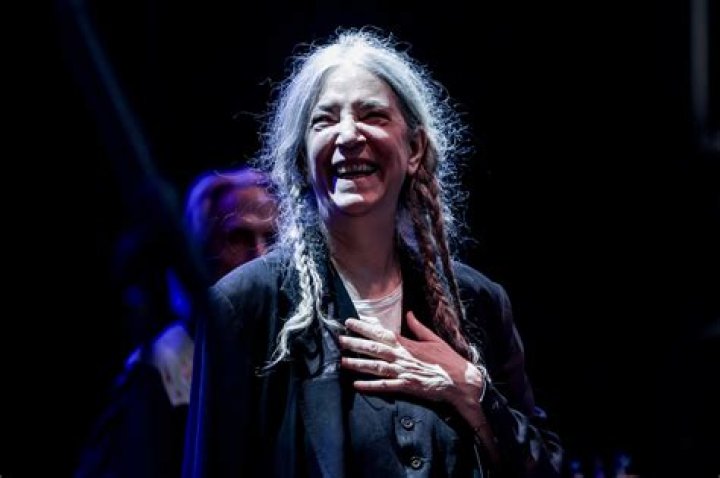
Marcia Aoki (born December 10, 1943) is a former Japanese newscaster and the wife of Masayoshi Son, the founder and CEO of SoftBank Group.
Aoki was born in Tokyo, Japan. She graduated from Keio University with a degree in literature. After graduation, she worked as a newscaster for TV Asahi. In 1991, she married Masayoshi Son. The couple has two children.
Aoki is a strong advocate for education and social justice. She is the founder of the Masayoshi and Marcia Son Foundation, which supports educational and social programs in Japan and around the world. She is also a member of the board of directors of the Japan Foundation.
Marcia Aoki
Marcia Aoki, the wife of Masayoshi Son, the founder and CEO of SoftBank Group, is a former Japanese newscaster and a strong advocate for education and social justice. Here are eight key aspects related to Marcia Aoki:
- Nationality: Japanese
- Occupation: Former newscaster, philanthropist
- Spouse: Masayoshi Son
- Education: Keio University, degree in literature
- Advocacy: Education, social justice
- Organization: Masayoshi and Marcia Son Foundation
- Board Member: Japan Foundation
- Recognition: Order of the Rising Sun, Gold Rays with Rosette
Marcia Aoki's work in education and social justice has made a significant impact in Japan and around the world. Through her foundation, she has supported programs that promote access to education, healthcare, and economic opportunities for disadvantaged communities. She is also a strong advocate for gender equality and women's empowerment.
Nationality
Marcia Aoki's Japanese nationality has played a significant role in her life and career. As a Japanese citizen, she has been able to benefit from the country's strong educational system and its rich cultural heritage.
- Education: Aoki received her education in Japan, graduating from Keio University with a degree in literature. Japan's high-quality education system has provided her with the knowledge and skills she needed to succeed in her career as a newscaster and philanthropist.
- Culture: Aoki's Japanese heritage has influenced her values and worldview. She is a strong advocate for education and social justice, values that are deeply rooted in Japanese culture. She is also a supporter of traditional Japanese arts and culture.
In conclusion, Marcia Aoki's Japanese nationality has shaped her life and career in many ways. It has given her access to a world-class education, instilled in her a strong sense of social responsibility, and connected her to a rich cultural heritage.
Occupation
Marcia Aoki's occupation as a former newscaster and philanthropist has played a significant role in her life and her contributions to society.
- Newscaster: As a newscaster for TV Asahi, Aoki was able to share information and raise awareness about important issues. Her work as a journalist helped to inform the public and shape public opinion.
- Philanthropist: Through her work with the Masayoshi and Marcia Son Foundation, Aoki has supported a wide range of educational and social programs. Her philanthropic efforts have made a positive impact on the lives of many people around the world.
Aoki's work as a newscaster and philanthropist has allowed her to make a significant contribution to society. She has used her platform to raise awareness about important issues and to support programs that make a positive difference in the world.
Spouse
Marcia Aoki's marriage to Masayoshi Son has had a significant impact on her life and career. Son is the founder and CEO of SoftBank Group, a Japanese multinational telecommunications and internet corporation. He is one of the wealthiest people in Japan and has been a major supporter of Aoki's philanthropic work.
Aoki and Son have been married since 1991 and have two children together. Aoki has said that Son is a very supportive husband and that he encourages her to pursue her interests. She has also said that she is very proud of Son's accomplishments and that she is grateful for his support.
The marriage between Marcia Aoki and Masayoshi Son is a strong and successful one. The couple has been together for over 30 years and they have built a life and family together. Aoki has said that she is very happy to be married to Son and that he is the love of her life.
Education
Marcia Aoki's education at Keio University significantly influenced her personal and professional development, contributing to her success as a newscaster, philanthropist, and advocate for social justice.
- Academic Foundation: Keio University is one of the most prestigious private research universities in Japan, providing Aoki with a rigorous academic foundation. Her degree in literature fostered her critical thinking, analytical skills, and ability to communicate effectively.
- Intellectual Curiosity: The university's emphasis on intellectual curiosity and exploration stimulated Aoki's interest in a wide range of subjects beyond literature. This curiosity later fueled her passion for lifelong learning and her commitment to addressing complex social issues.
- Networking and Mentorship: Keio University's strong alumni network and renowned faculty provided Aoki with valuable connections and mentorship opportunities. She benefited from interactions with influential individuals who shaped her perspectives and supported her career aspirations.
- Cultural Awareness: Keio University's location in Tokyo exposed Aoki to Japan's rich cultural heritage and global influences. This exposure broadened her worldview and instilled in her a deep appreciation for diversity and cross-cultural understanding.
In summary, Marcia Aoki's education at Keio University played a pivotal role in her intellectual, personal, and professional growth. It laid the groundwork for her successful career as a newscaster and philanthropist, and her unwavering commitment to promoting education and social justice.
Advocacy
Marcia Aoki is a strong advocate for education and social justice. She is the founder of the Masayoshi and Marcia Son Foundation, which supports educational and social programs in Japan and around the world. She is also a member of the board of directors of the Japan Foundation.
Aoki's advocacy for education and social justice is rooted in her belief that everyone deserves a fair chance to succeed in life. She is particularly passionate about supporting programs that help disadvantaged communities. She believes that education is the key to breaking the cycle of poverty and inequality.
One of the most important programs supported by the Masayoshi and Marcia Son Foundation is the Global Education Challenge. This program provides scholarships to students from developing countries to study at top universities around the world. The program has helped to transform the lives of thousands of students, giving them the opportunity to achieve their dreams.
Aoki's advocacy for education and social justice has made a significant impact on the world. She is a role model for others who are committed to making a difference in the world.
Organization
The Masayoshi and Marcia Son Foundation, established by Marcia Aoki and her husband Masayoshi Son, serves as a testament to their shared commitment to education and social justice. This organization plays a pivotal role in Aoki's philanthropic endeavors, allowing her to support a diverse range of programs that align with her values.
- Educational Initiatives: The foundation provides scholarships and financial assistance to students from disadvantaged backgrounds, enabling them to access quality education and pursue their aspirations. These initiatives reflect Aoki's belief that education is a fundamental right and a catalyst for positive change.
- Social Welfare Projects: The foundation supports programs that address societal issues such as poverty, healthcare, and environmental sustainability. Through these projects, Aoki demonstrates her commitment to creating a more just and equitable society where everyone has the opportunity to thrive.
- Cultural Exchange: The foundation promotes cultural exchange and understanding through initiatives that foster dialogue and collaboration between different regions and communities. Aoki recognizes the importance of breaking down barriers and building bridges across cultures.
- Research and Innovation: The foundation supports research and innovation in areas that have the potential to improve the human condition. Aoki's forward-thinking approach emphasizes the role of scientific advancements and technological progress in addressing global challenges.
The Masayoshi and Marcia Son Foundation serves as a vehicle for Aoki's philanthropic vision, enabling her to make a meaningful impact on the world. Through its diverse programs and initiatives, the foundation embodies Aoki's unwavering commitment to education, social justice, and the betterment of society.
Board Member
Marcia Aoki's role as a board member of the Japan Foundation highlights her commitment to promoting cultural exchange and mutual understanding between Japan and the rest of the world.
- Cultural Diplomacy: The Japan Foundation is a government-funded organization dedicated to promoting Japanese culture and fostering international exchange. As a board member, Aoki plays a vital role in shaping the foundation's programs and initiatives, which aim to build bridges between Japan and other countries.
- Arts and Culture: Aoki's passion for the arts and culture is evident in her support of the foundation's efforts to promote Japanese art, music, and literature on a global scale. She believes that cultural exchange can break down barriers and create a more inclusive and harmonious world.
- Educational Exchange: The Japan Foundation also supports educational exchange programs, which provide opportunities for students and scholars from Japan and other countries to study and learn from each other. Aoki's involvement in these programs reflects her commitment to promoting cross-cultural understanding and collaboration.
- Global Citizenship: Aoki's work with the Japan Foundation aligns with her belief that all individuals are global citizens with a shared responsibility to contribute to the betterment of the world. Through her role as a board member, she promotes the values of tolerance, diversity, and mutual respect.
Marcia Aoki's dedication to the Japan Foundation demonstrates her unwavering commitment to fostering cultural exchange and promoting global understanding. Her contributions to the foundation's programs and initiatives have made a significant impact in building bridges between Japan and the rest of the world.
Recognition
The Order of the Rising Sun, Gold Rays with Rosette is a prestigious Japanese decoration awarded to individuals who have made significant contributions to the nation. Marcia Aoki, the wife of SoftBank founder Masayoshi Son, was bestowed with this honor in recognition of her philanthropic and social welfare activities.
Aoki's recognition with the Order of the Rising Sun highlights her significant contributions to Japanese society, particularly in the areas of education and social justice. Through her work with the Masayoshi and Marcia Son Foundation, she has supported numerous initiatives aimed at providing educational opportunities for underprivileged students and promoting cross-cultural understanding.
The award serves as a testament to Aoki's dedication to making a positive impact on the world. Her philanthropic endeavors have not only benefited Japan but have also extended to other countries, fostering international cooperation and promoting global well-being.
Understanding the connection between Marcia Aoki and the Order of the Rising Sun, Gold Rays with Rosette provides insights into the importance of recognizing individuals who dedicate their lives to social welfare and the betterment of society. It also underscores the value of cross-cultural exchange and collaboration in addressing global challenges.
Frequently Asked Questions about Marcia Aoki
This section provides answers to some of the most commonly asked questions about Marcia Aoki, her life, and her work.
Question 1: Who is Marcia Aoki?Marcia Aoki is a Japanese philanthropist and the wife of Masayoshi Son, the founder and CEO of SoftBank Group. She is known for her extensive philanthropic work in the areas of education and social justice.
Question 2: What is Marcia Aoki's nationality?Marcia Aoki is Japanese.
Question 3: What is Marcia Aoki's occupation?Marcia Aoki is a former newscaster and a philanthropist.
Question 4: What is Marcia Aoki's educational background?Marcia Aoki graduated from Keio University with a degree in literature.
Question 5: What is Marcia Aoki's marital status?Marcia Aoki is married to Masayoshi Son.
Question 6: What is Marcia Aoki's most notable achievement?Marcia Aoki is best known for her philanthropic work through the Masayoshi and Marcia Son Foundation, which supports educational and social programs in Japan and around the world.
These are just a few of the most frequently asked questions about Marcia Aoki. For more information, please refer to the provided article.
Transition to the next article section: Marcia Aoki's Impact on Japanese Society
Tips from Marcia Aoki on Education and Social Justice
Marcia Aoki, a philanthropist and advocate for education and social justice, shared her insights and advice through her work and public statements. Her perspectives offer valuable guidance for individuals and organizations working towards positive social change.
Tip 1: Invest in early childhood education
Aoki emphasizes the critical importance of investing in early childhood education. She believes that providing children with a strong foundation in their early years sets them up for success in all aspects of life. Investing in preschool and kindergarten programs can help children develop essential cognitive, social, and emotional skills.
Tip 2: Support programs that empower women and girls
Aoki advocates for the empowerment of women and girls as a key driver of social justice. She supports programs and initiatives that provide education, job training, and leadership opportunities for women and girls. Investing in women and girls has a ripple effect, benefiting families, communities, and society as a whole.
Tip 3: Promote cross-cultural understanding and exchange
Aoki believes that promoting cross-cultural understanding and exchange is essential for building a more harmonious and just world. She encourages people to engage with different cultures, learn from each other, and work together to address global challenges.
Tip 4: Use technology for social good
Aoki recognizes the potential of technology to drive positive social change. She encourages individuals and organizations to use technology to improve education, healthcare, and other essential services. By harnessing the power of technology, we can create more equitable and sustainable communities.
Tip 5: Collaborate and partner with others
Aoki emphasizes the importance of collaboration and partnerships in achieving social change. She encourages different sectors, including government, business, and civil society, to work together to address complex social issues. By combining resources and expertise, we can create more effective and sustainable solutions.
Summary
Marcia Aoki's tips provide valuable guidance for individuals and organizations working towards education and social justice. By investing in early childhood education, empowering women and girls, promoting cross-cultural understanding, using technology for social good, and collaborating with others, we can create a more just and equitable society for all.
Transition to the article's conclusion
Conclusion
Marcia Aoki's unwavering commitment to education and social justice has made a profound impact on the world. Through her philanthropic work, advocacy, and leadership, she has dedicated her life to creating a more just and equitable society for all.
Aoki's insights and guidance provide valuable lessons for individuals and organizations working towards positive social change. By investing in early childhood education, empowering women and girls, promoting cross-cultural understanding, using technology for social good, and collaborating with others, we can build a better future for all.