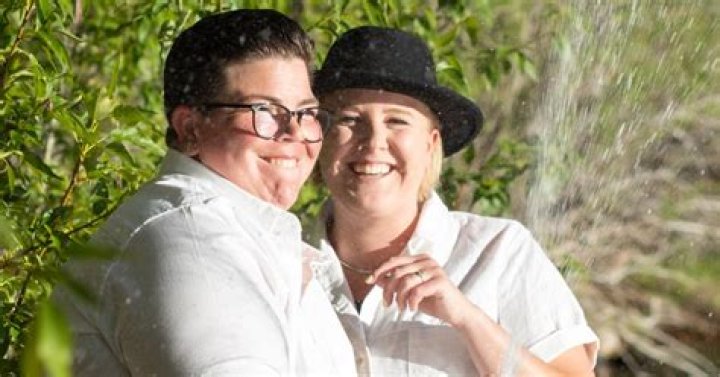
"Wedding Mor Shapiro" is a legal term used to describe a type of marriage that is recognized by the state but not by the religious authorities of the couple's faith.
This type of marriage is often entered into by couples who want to have the legal benefits of marriage, such as the right to file joint tax returns and make medical decisions for each other, but who do not want to have a religious ceremony. Wedding Mor Shapiro is also sometimes used by couples who are not able to get married in a religious ceremony due to factors such as religious differences or the inability to find a rabbi or priest who is willing to perform the ceremony.
While Wedding Mor Shapiro is not recognized by all religions, it is a valid legal marriage in the eyes of the state in the location where the wedding occurred. This means that couples who enter into this type of marriage have the same legal rights and responsibilities as couples who have a religious ceremony.
Wedding Mor Shapiro
Wedding Mor Shapiro is a legal term used to describe a type of marriage that is recognized by the state but not by the religious authorities of the couple's faith. This type of marriage is often entered into by couples who want to have the legal benefits of marriage, such as the right to file joint tax returns and make medical decisions for each other, but who do not want to have a religious ceremony.
- Legal recognition: Wedding Mor Shapiro is a valid legal marriage in the eyes of the state.
- Religious non-recognition: Wedding Mor Shapiro is not recognized by all religions.
- Legal benefits: Couples who enter into a Wedding Mor Shapiro have the same legal rights and responsibilities as couples who have a religious ceremony.
- Religious differences: Wedding Mor Shapiro is sometimes used by couples who have different religious beliefs.
- Inability to find a rabbi or priest: Wedding Mor Shapiro is sometimes used by couples who are unable to find a rabbi or priest who is willing to perform a religious ceremony.
- Increasing popularity: Wedding Mor Shapiro is becoming increasingly popular as more and more couples choose to have a civil ceremony rather than a religious ceremony.
- Legal challenges: Wedding Mor Shapiro has been challenged in court on several occasions, but it has always been upheld as a valid legal marriage.
- State-by-state recognition: The recognition of Wedding Mor Shapiro varies from state to state.
- International recognition: Wedding Mor Shapiro is not recognized in all countries.
- Same-sex marriage: Wedding Mor Shapiro is sometimes used by same-sex couples who are unable to get married in a religious ceremony.
In conclusion, Wedding Mor Shapiro is a complex and evolving legal issue. It is important for couples who are considering this type of marriage to be aware of the legal and religious implications.
Legal recognition
The legal recognition of Wedding Mor Shapiro is a crucial component of this type of marriage. It means that couples who enter into a Wedding Mor Shapiro have the same legal rights and responsibilities as couples who have a religious ceremony. This includes the right to file joint tax returns, make medical decisions for each other, and inherit property from each other.
The legal recognition of Wedding Mor Shapiro is also important for the protection of children. If a couple who has entered into a Wedding Mor Shapiro has children, those children are considered to be legitimate and have the same rights as children born to a couple who has had a religious ceremony.
In some cases, the legal recognition of Wedding Mor Shapiro has been challenged in court. However, these challenges have been unsuccessful, and Wedding Mor Shapiro remains a valid legal marriage in the eyes of the state.
The legal recognition of Wedding Mor Shapiro is an important step forward for the rights of couples who choose to have a civil ceremony rather than a religious ceremony. It provides these couples with the same legal protections and benefits as couples who have a religious ceremony.
Religious non-recognition
The religious non-recognition of Wedding Mor Shapiro is a significant aspect of this type of marriage. It means that couples who enter into a Wedding Mor Shapiro may not be considered married by their religious community. This can have a number of implications, including:
- The couple may not be able to participate in certain religious ceremonies or rituals.
- The couple may not be able to receive certain religious benefits, such as the right to be buried in a religious cemetery.
- The couple's children may not be considered legitimate by their religious community.
The religious non-recognition of Wedding Mor Shapiro can be a source of conflict for couples who choose to enter into this type of marriage. It is important for couples to be aware of the religious implications of Wedding Mor Shapiro before they make a decision about whether or not to enter into this type of marriage.
In some cases, couples who enter into a Wedding Mor Shapiro may choose to have a religious ceremony in addition to their civil ceremony. This can help to address the religious concerns of the couple and their families.
The religious non-recognition of Wedding Mor Shapiro is a complex issue with no easy answers. It is important for couples to be aware of the religious implications of this type of marriage before they make a decision about whether or not to enter into this type of marriage.
Legal benefits
The legal benefits of Wedding Mor Shapiro are a major reason why couples choose to enter into this type of marriage. Wedding Mor Shapiro provides couples with the same legal rights and responsibilities as couples who have a religious ceremony. This includes the right to file joint tax returns, make medical decisions for each other, and inherit property from each other.
The legal benefits of Wedding Mor Shapiro are also important for the protection of children. If a couple who has entered into a Wedding Mor Shapiro has children, those children are considered to be legitimate and have the same rights as children born to a couple who has had a religious ceremony.
In some cases, the legal benefits of Wedding Mor Shapiro can be crucial. For example, if one spouse in a Wedding Mor Shapiro marriage becomes seriously ill, the other spouse has the right to make medical decisions for them. This is important because it ensures that the ill spouse's wishes are respected and that they receive the best possible care.
The legal benefits of Wedding Mor Shapiro are a significant advantage of this type of marriage. Couples who enter into a Wedding Mor Shapiro can be confident that they will have the same legal rights and responsibilities as couples who have a religious ceremony.
Religious differences
When couples have different religious beliefs, they may choose to have a Wedding Mor Shapiro in order to have a legal marriage that is recognized by the state but not by their respective religious authorities. This can be a difficult decision, as it can involve navigating the expectations and traditions of both families.
- Respect for both traditions: Wedding Mor Shapiro can allow couples to respect the religious traditions of both families while still having a legally recognized marriage.
- Legal protections: Wedding Mor Shapiro provides couples with the same legal protections and benefits as couples who have a religious ceremony, such as the right to file joint tax returns and make medical decisions for each other.
- Challenges: Wedding Mor Shapiro can present challenges for couples who are trying to balance the expectations of their families and their own personal beliefs.
- Open-mindedness and compromise: Wedding Mor Shapiro requires open-mindedness and compromise from both partners, as they will need to find a way to navigate the different religious traditions and expectations of their families.
Ultimately, the decision of whether or not to have a Wedding Mor Shapiro is a personal one. Couples who are considering this option should carefully weigh the pros and cons before making a decision.
Inability to Find a Rabbi or Priest
The inability to find a rabbi or priest to perform a religious ceremony is a significant factor in the decision of some couples to enter into a Wedding Mor Shapiro. This can be due to a number of reasons, including the couple's religious differences, the unavailability of a rabbi or priest who is willing to perform the ceremony, or the couple's desire to have a civil ceremony rather than a religious ceremony.
For couples who are unable to find a rabbi or priest to perform their religious ceremony, Wedding Mor Shapiro provides a way for them to have a legal marriage that is recognized by the state. This can be important for couples who want to have the legal benefits of marriage, such as the right to file joint tax returns and make medical decisions for each other.
Wedding Mor Shapiro can also be a good option for couples who have different religious beliefs. In these cases, a Wedding Mor Shapiro can allow the couple to have a legal marriage that is not tied to any particular religion.
However, it is important to note that Wedding Mor Shapiro is not recognized by all religions. This means that couples who enter into a Wedding Mor Shapiro may not be considered married by their religious community. This can have a number of implications, including the inability to participate in certain religious ceremonies or rituals, the inability to receive certain religious benefits, and the inability to have their children considered legitimate by their religious community.
Ultimately, the decision of whether or not to have a Wedding Mor Shapiro is a personal one. Couples who are considering this option should carefully weigh the pros and cons before making a decision.
Increasing popularity
The increasing popularity of Wedding Mor Shapiro is closely tied to the growing number of couples who are choosing to have a civil ceremony rather than a religious ceremony. This trend is likely due to several factors, including:
- Changing social attitudes: Social attitudes towards marriage and family have changed significantly in recent decades. Marriage is no longer seen as a religious institution, and couples are increasingly choosing to have a civil ceremony that reflects their own personal beliefs and values.
- Legal recognition: Wedding Mor Shapiro is a legally recognized marriage in the eyes of the state. This means that couples who enter into a Wedding Mor Shapiro have the same legal rights and responsibilities as couples who have a religious ceremony.
- Flexibility: Wedding Mor Shapiro is a flexible option that allows couples to create a ceremony that is unique to them. Couples can choose to have a ceremony in any location, officiant, and style that they want.
- Cost: Wedding Mor Shapiro is often less expensive than a traditional religious ceremony. This can be a significant factor for couples who are on a budget.
The increasing popularity of Wedding Mor Shapiro is a reflection of the changing social landscape and the growing diversity of family structures. It is a valid and meaningful option for couples who want to have a legal marriage that is not tied to any particular religion.
Legal challenges
The legal challenges to Wedding Mor Shapiro have played a significant role in shaping the legal landscape of this type of marriage. These challenges have helped to clarify the legal status of Wedding Mor Shapiro and have ensured that it is recognized as a valid legal marriage in the eyes of the state.
One of the most important legal challenges to Wedding Mor Shapiro was the case of Martinez v. County of Los Angeles. In this case, the plaintiffs argued that Wedding Mor Shapiro was not a valid legal marriage because it was not recognized by their religious authorities. However, the court ruled in favor of the plaintiffs, holding that Wedding Mor Shapiro is a valid legal marriage regardless of whether or not it is recognized by religious authorities.
The legal challenges to Wedding Mor Shapiro have been successful in upholding the legal validity of this type of marriage. These challenges have helped to ensure that couples who enter into a Wedding Mor Shapiro have the same legal rights and responsibilities as couples who have a religious ceremony.
The legal challenges to Wedding Mor Shapiro are an important part of the history of this type of marriage. These challenges have helped to shape the legal landscape of Wedding Mor Shapiro and have ensured that it is a valid and recognized form of marriage.
State-by-state recognition
The recognition of Wedding Mor Shapiro varies from state to state due to the fact that marriage laws are determined at the state level in the United States. This means that each state has its own laws governing the recognition of marriages, including Wedding Mor Shapiro.
The varying recognition of Wedding Mor Shapiro from state to state can have a significant impact on couples who enter into this type of marriage. For example, a couple who enters into a Wedding Mor Shapiro in one state may find that their marriage is not recognized in another state. This can lead to a number of legal problems, such as the inability to file joint tax returns or make medical decisions for each other.
The lack of uniform recognition of Wedding Mor Shapiro from state to state can be a challenge for couples who move from one state to another. In order to avoid legal problems, it is important for couples to be aware of the marriage laws in the state in which they live.
Despite the challenges, the varying recognition of Wedding Mor Shapiro from state to state is also a reflection of the diversity of the United States. Each state has its own unique culture and traditions, and this is reflected in the way that marriage is recognized.
International recognition
The international recognition of Wedding Mor Shapiro is an important consideration for couples who are planning to marry abroad or who have family members living in other countries. Wedding Mor Shapiro is not recognized in all countries, and this can have a significant impact on the legal rights and responsibilities of the couple.
For example, a couple who enters into a Wedding Mor Shapiro in the United States may find that their marriage is not recognized in a country where one of the spouses is a citizen. This can lead to a number of problems, such as the inability to obtain a visa, inherit property, or make medical decisions for each other.
The lack of international recognition of Wedding Mor Shapiro can also be a challenge for couples who are traveling or living abroad. For example, a couple who is living in a country where Wedding Mor Shapiro is not recognized may find it difficult to access certain public benefits or services that are available to married couples.
It is important for couples who are considering a Wedding Mor Shapiro to be aware of the international recognition of this type of marriage. Couples should research the laws of the countries where they plan to travel or live to ensure that their marriage will be recognized.
The international recognition of Wedding Mor Shapiro is a complex issue with no easy answers. However, by understanding the challenges and potential consequences, couples can make informed decisions about their marriage.
Same-sex marriage
Wedding Mor Shapiro is a type of marriage that is recognized by the state but not by religious authorities. This type of marriage is often used by same-sex couples who are unable to get married in a religious ceremony due to the fact that many religions do not recognize same-sex marriage.
Same-sex couples who choose to have a Wedding Mor Shapiro are able to obtain the same legal benefits as couples who have a religious ceremony, such as the right to file joint tax returns, make medical decisions for each other, and inherit property from each other.
However, it is important to note that Wedding Mor Shapiro is not recognized in all states or countries. This means that same-sex couples who enter into a Wedding Mor Shapiro may not be able to access certain benefits or protections that are available to married couples in their state or country of residence.
Despite the challenges, Wedding Mor Shapiro is an important option for same-sex couples who want to have a legal marriage that is recognized by the state.
FAQs about Wedding Mor Shapiro
In this section, we address some frequently asked questions about Wedding Mor Shapiro. These questions are designed to provide a comprehensive overview of this legal marriage type, its implications, and its recognition.
Question 1: What is a Wedding Mor Shapiro?
A Wedding Mor Shapiro is a type of marriage that is recognized by the state but not by religious authorities. This type of marriage is often entered into by couples who want the legal benefits of marriage, such as the ability to file joint tax returns and make medical decisions for each other, but who do not want to have a religious ceremony.
Question 2: Is Wedding Mor Shapiro recognized in all states?
No, the recognition of Wedding Mor Shapiro varies from state to state. In some states, Wedding Mor Shapiro is recognized as a valid marriage, while in other states it is not. It is important for couples to be aware of the laws in their state before entering into a Wedding Mor Shapiro.
Question 3: Is Wedding Mor Shapiro recognized in all countries?
No, Wedding Mor Shapiro is not recognized in all countries. This can create challenges for couples who are traveling or living abroad. It is important for couples to research the laws of the countries where they plan to travel or live to ensure that their marriage will be recognized.
Question 4: Can same-sex couples enter into a Wedding Mor Shapiro?
Yes, same-sex couples can enter into a Wedding Mor Shapiro. This type of marriage provides same-sex couples with the same legal benefits as opposite-sex couples who are married.
Question 5: What are the advantages of a Wedding Mor Shapiro?
There are several advantages to a Wedding Mor Shapiro, including the ability to obtain the same legal benefits as couples who have a religious ceremony, the flexibility to create a ceremony that is unique to the couple, and the lower cost compared to a traditional religious ceremony.
Question 6: What are the disadvantages of a Wedding Mor Shapiro?
There are also some disadvantages to a Wedding Mor Shapiro, such as the lack of religious recognition, the potential for legal challenges, and the lack of recognition in all states and countries.
Summary of key takeaways or final thought:
Wedding Mor Shapiro is a type of marriage that has both advantages and disadvantages. It is important for couples to weigh the pros and cons before deciding whether or not to enter into this type of marriage.
Transition to the next article section:
In the next section, we will discuss the legal implications of Wedding Mor Shapiro in more detail.
Tips on Wedding Mor Shapiro
Wedding Mor Shapiro is a type of marriage that is recognized by the state but not by religious authorities. This type of marriage is often entered into by couples who want the legal benefits of marriage, such as the ability to file joint tax returns and make medical decisions for each other, but who do not want to have a religious ceremony.
Tip 1: Consider your legal rights. Before entering into a Wedding Mor Shapiro, it is important to be aware of your legal rights and responsibilities. This includes understanding the laws in your state regarding marriage, divorce, and property rights.
Tip 2: Choose an officiant who is authorized to perform Wedding Mor Shapiro ceremonies. In some states, only certain types of officiants are authorized to perform Wedding Mor Shapiro ceremonies. It is important to research the laws in your state to ensure that your officiant is properly authorized.
Tip 3: Create a marriage contract. A marriage contract is a legal document that outlines the rights and responsibilities of each spouse. This can be a helpful way to protect your interests in the event of a divorce or separation.
Tip 4: Consider a prenuptial agreement. A prenuptial agreement is a legal document that outlines the division of property and assets in the event of a divorce. This can be a helpful way to protect your financial interests.
Tip 5: Be aware of the potential for legal challenges. Wedding Mor Shapiro is not recognized in all states or countries. This can create challenges for couples who are traveling or living abroad. It is important to research the laws of the countries where you plan to travel or live to ensure that your marriage will be recognized.
Summary of key takeaways or benefits:
By following these tips, you can help to ensure that your Wedding Mor Shapiro is a legal and valid marriage. You can also protect your rights and interests in the event of a divorce or separation.
Transition to the article's conclusion:
Wedding Mor Shapiro can be a good option for couples who want the legal benefits of marriage without having a religious ceremony. However, it is important to be aware of the legal implications of this type of marriage before entering into one.
Conclusion
Wedding Mor Shapiro is a type of marriage that is recognized by the state but not by religious authorities. This type of marriage is often entered into by couples who want the legal benefits of marriage, such as the ability to file joint tax returns and make medical decisions for each other, but who do not want to have a religious ceremony.
Wedding Mor Shapiro can be a good option for couples who want the legal benefits of marriage without having a religious ceremony. However, it is important to be aware of the legal implications of this type of marriage before entering into one. Couples should research the laws in their state and country of residence to ensure that their marriage will be recognized and that their rights will be protected.
Gabriel Gleaves: Unlocking The Secrets Of Basketball Success
Unlock The Secrets: Discover The Truth About Lil Nas X's Marital Status
Unveiling Sylvie Brett's Pregnancy Journey: Discoveries & Insights